Our Vision:
We envision a St. Louis made up of vibrant neighborhoods that have high-quality services and thriving local economies, with responsible development and quality housing that benefit all residents.
We do this through:
· Commercial Corridor and Business Development
· Residential Development, Redevelopment, and Rehabilitation
· Anti-displacement and Community Wealth Building
Our Values:
We believe that the way to create positive and lasting impact, throughout urban neighborhoods, is through continual professionalism, transparent decision making, and global sharing within the communities we serve.
Our Mission:
Park Central Development builds vibrant, mixed-income St. Louis neighborhoods by providing essential services, sparking equitable development and investment, and creating economic mobility and generational wealth for residents.
Park Central Development strengthens neighborhoods and expands opportunity across the central corridor of St. Louis by connecting residents, institutions, and investment.
St. Louis is a city of remarkable neighborhoods, each with its own identity, history, and sense of place. It is also a city shaped by historic divides—economic, racial, and geographic—that have influenced where investment flows and where opportunity grows.
Few places reflect that reality more clearly than Delmar Boulevard, often described as the dividing line between neighborhoods that have experienced very different levels of investment and opportunity.
Park Central Development works in the space between those divides.
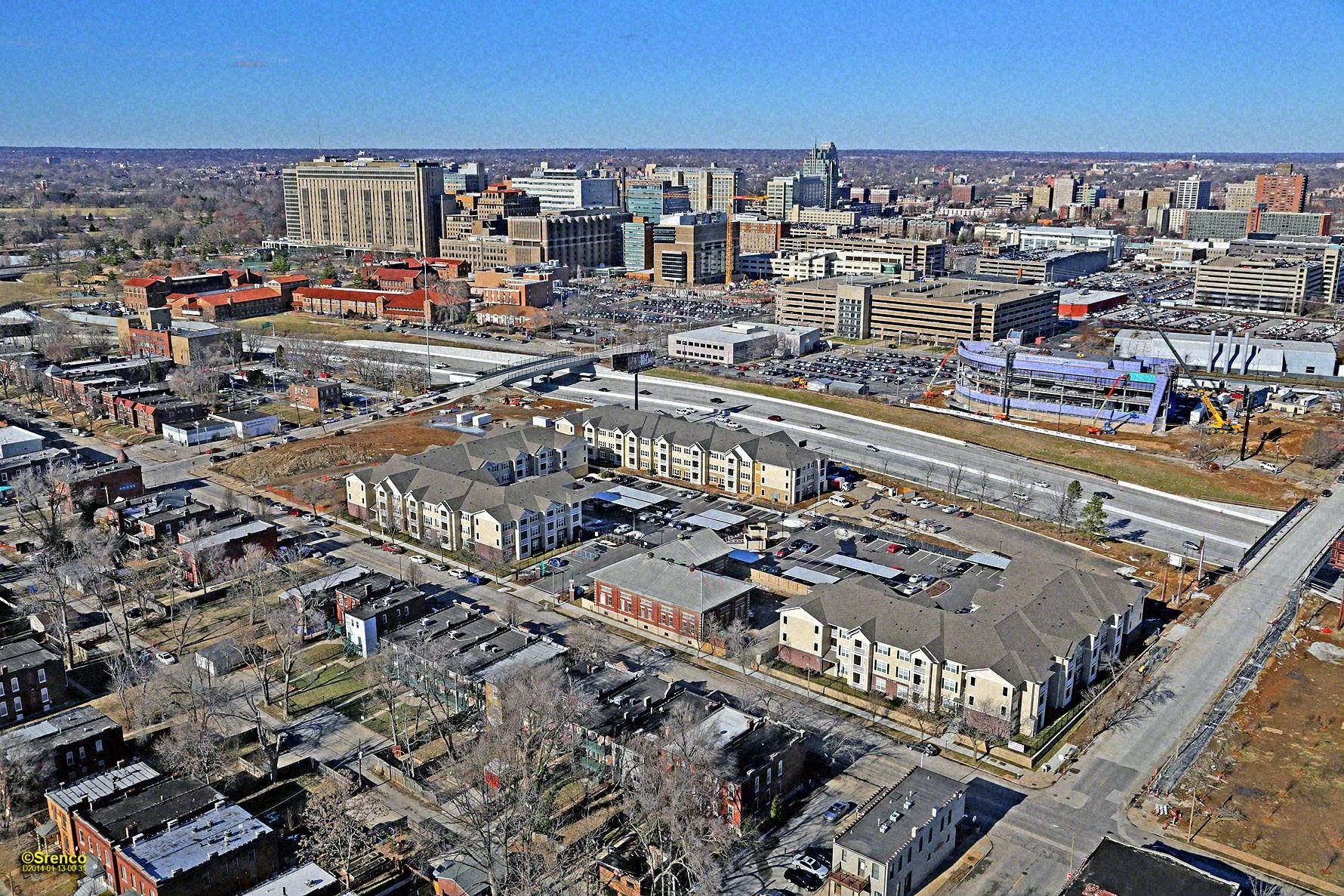
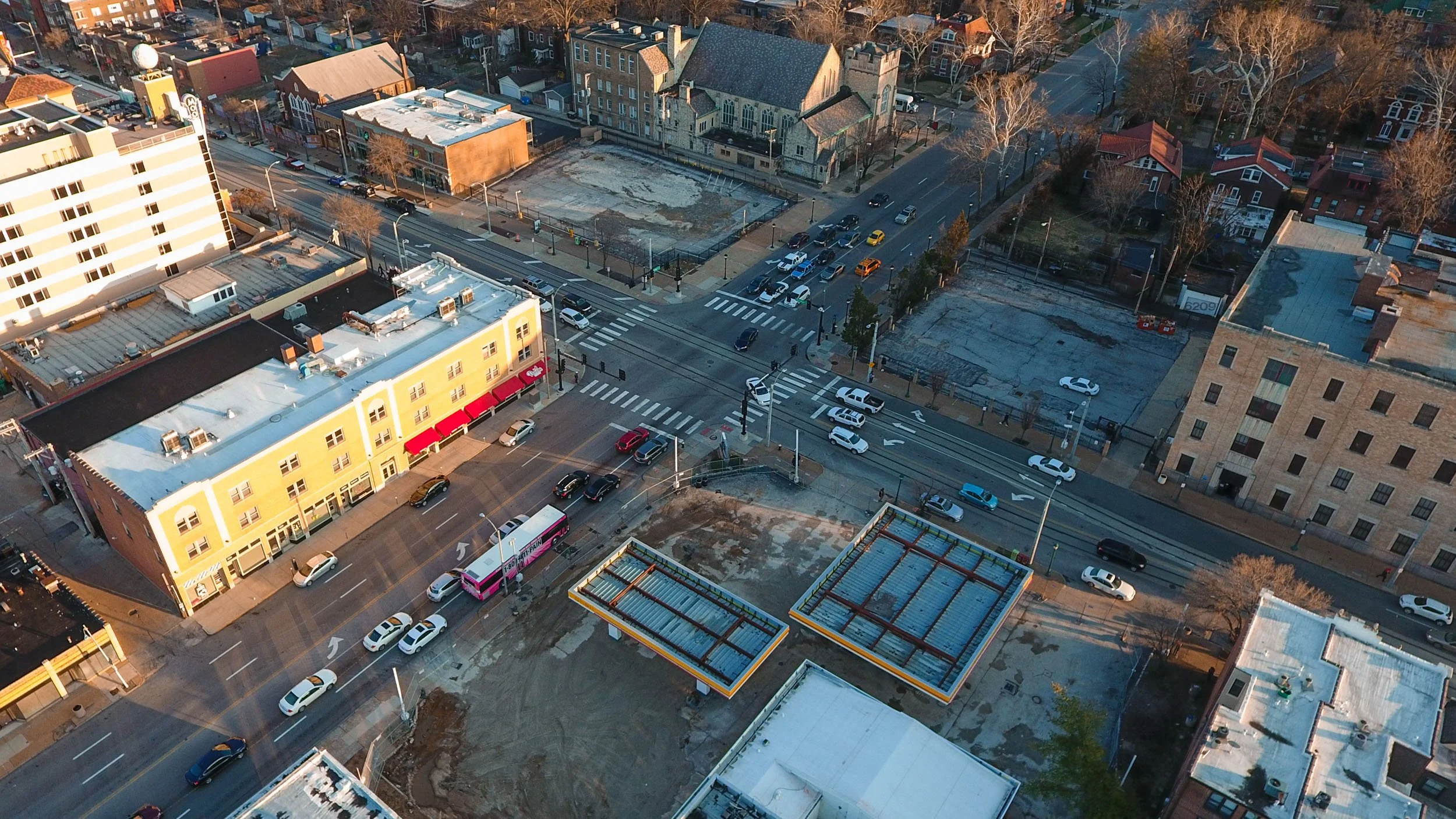
By bringing together residents, businesses, institutions, and public partners, Park Central helps guide development, strengthen neighborhoods, and expand opportunity across the central corridor of St. Louis.
The Organizations That Built Park Central
Park Central Development traces its roots to three neighborhood-based community development corporations formed to stabilize and strengthen communities in central St. Louis.
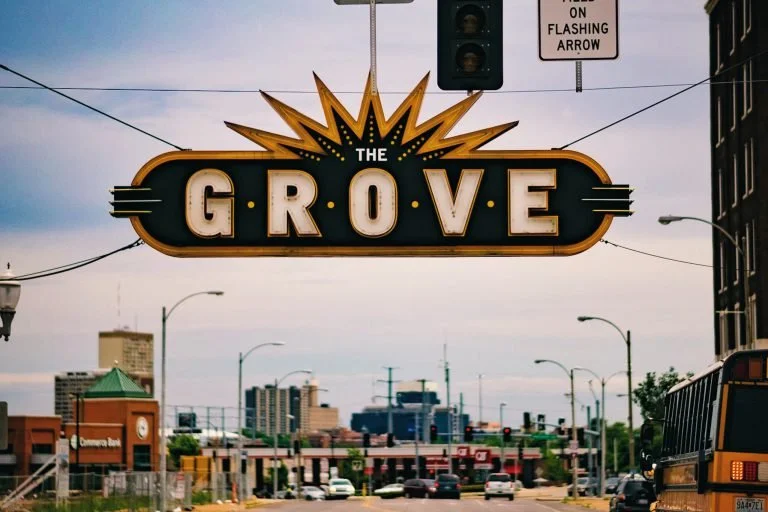
The first was the Forest Park Southeast Development Corporation, founded in 1978. Created by neighborhood residents and community stakeholders, the organization focused on stabilizing the Forest Park Southeast neighborhood during a period of disinvestment. Through housing rehabilitation, neighborhood planning, and community organizing, it helped rebuild confidence in the neighborhood and laid the foundation for reinvestment. Those early efforts helped support the revitalization of Manchester Avenue, now known as The Grove, one of St. Louis’ most vibrant commercial districts.
In the late 1990s, redevelopment efforts were also underway in the McRee Town neighborhood, an area that had experienced significant disruption following the construction of Interstate 44 decades earlier. The McRee Town Community Development Corporation was formed to guide redevelopment and neighborhood stabilization. Through housing development and long-term planning, the organization helped position the neighborhood for a new chapter of growth. Today the area is known as Botanical Heights, reflecting its renewed vitality and strong residential community.
As investment expanded across the city’s central corridor, the Central West End Midtown Development Corporation, founded in 2001, was created to support planning, commercial development, and neighborhood partnerships in the Central West End and surrounding districts. Working with residents, businesses, and major anchor institutions such as Washington University Medical Center and Barnes Jewish Hospital, the organization helped coordinate development and strengthen one of St. Louis’ most historic urban neighborhoods.
Recognizing the opportunity to strengthen their collective impact, the three organizations merged in 2007 to form Park Central Development Corporation, creating a unified organization capable of coordinating development, investment, and community partnerships across multiple neighborhoods in the heart of St. Louis.
Working Across the Delmar Divide
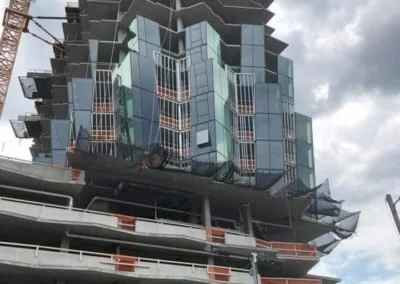
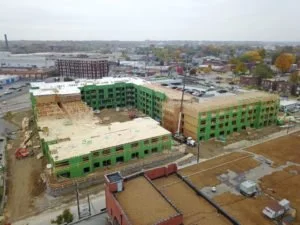
Today, Park Central Development works in neighborhoods both south and north of Delmar Boulevard, including Forest Park Southeast, the Central West End, Botanical Heights, Fountain Park, Lewis Place, and the Academy/Sherman Park area.
By working across these neighborhoods and partnering with residents, anchor institutions, developers, and the City of St. Louis, Park Central helps expand access to investment and opportunity while supporting mixed-income neighborhoods where longtime residents can thrive alongside new growth.
Park Central also manages and supports several of the most dynamic commercial districts in the region, including The Grove and the Euclid South corridor in the Central West End, which together attract millions of visitors each year and serve as important economic engines for locally owned businesses and entrepreneurs.
Our Approach
Park Central’s work is guided by a simple belief:
Equitable neighborhood development requires more than good intentions—it requires infrastructure, expertise, and trust.
Many neighborhoods lack the systems needed to coordinate investment, manage development, and support the services that help communities thrive. Park Central helps fill that gap by serving as a neighborhood-level community manager, connecting residents, businesses, developers, and public partners to guide responsible development and strengthen neighborhood vitality.
Through this approach, Park Central focuses on four key strategies:
Providing neighborhood management services that strengthen commercial corridors and improve quality of life
Advocating for responsible development that aligns with community priorities
Growing economic mobility through business development and wealth-building strategies
Elevating neighborhood voices through community engagement and participatory planning
By combining technical expertise, neighborhood knowledge, and strong partnerships, Park Central works to create neighborhoods that are vibrant, equitable, and opportunity-rich.
Impact in Action
Across the neighborhoods it serves, Park Central helps strengthen commercial corridors, support housing stability, and expand economic opportunity.
Programs such as the Real Estate Tax Assistance Fund help homeowners remain in their homes despite rising property tax assessments, protecting generational wealth and neighborhood stability.
Park Central also supports entrepreneurship through initiatives like the Eric Outlaw Business Center, which provides retail incubation space, mentorship, and business development support for emerging entrepreneurs.
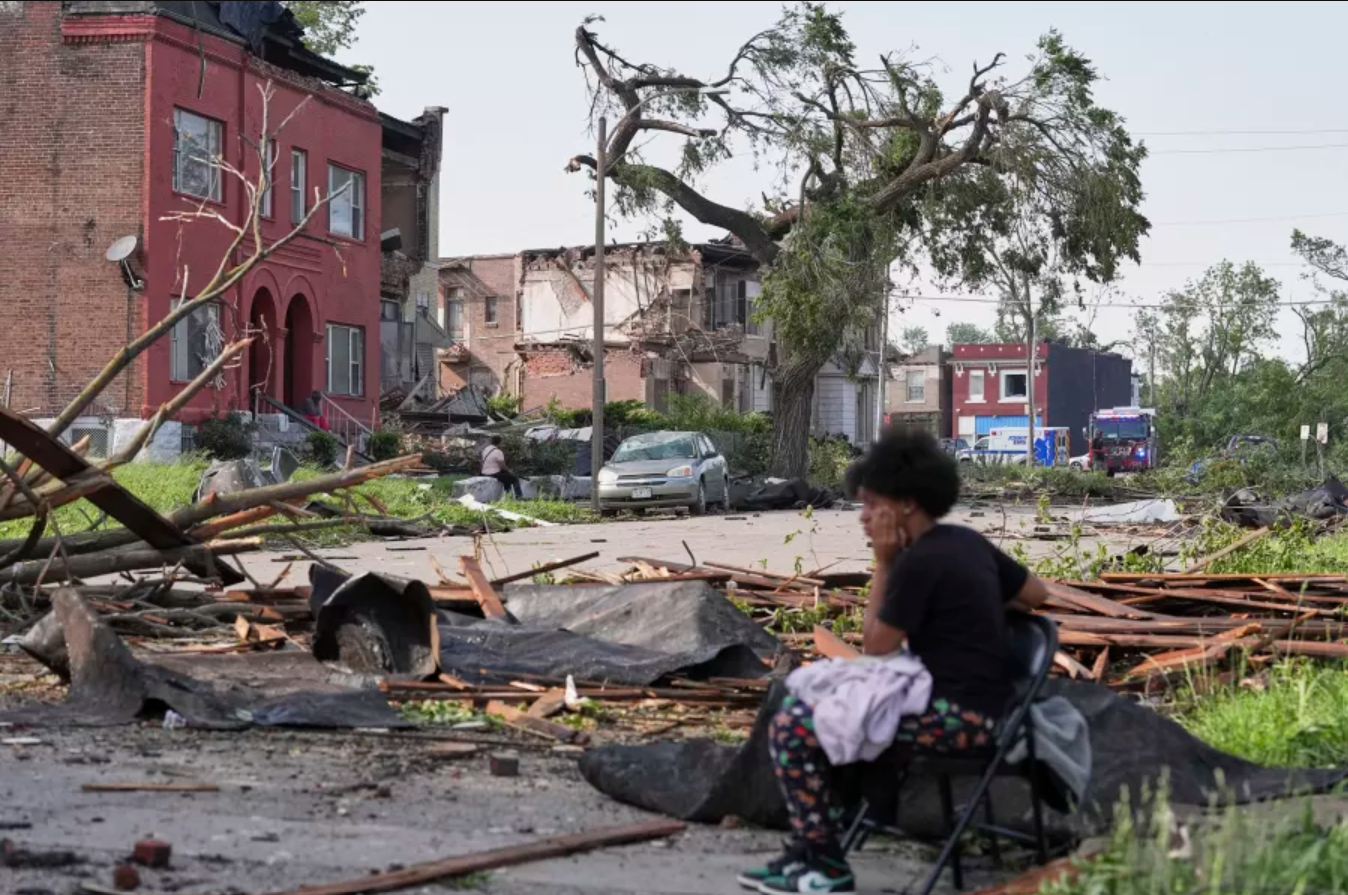
Following the EF3 tornado that struck parts of St. Louis in May 2025, Park Central partnered with residents, neighborhood associations, and institutional partners to support recovery, housing stabilization, and community-driven rebuilding efforts.
Looking Ahead
Today, Park Central Development continues to serve as a connector between neighborhoods, institutions, and investment across central St. Louis.
Guided by its 2026–2030 Strategic Economic Development Plan, the organization focuses on three priorities:
Commercial corridor and small business development
Residential development, redevelopment, and housing stabilization
Anti-displacement strategies and community wealth building
More than four decades after the founding of the first organization that would become part of Park Central Development, the mission remains clear:
To strengthen neighborhoods.
To expand opportunity.
And to help build a more connected and equitable St. Louis.